Introduction
The advanced transformation has changed the way the world works. Once upon a time, a “good job” implied dressing up, surging to the office, and working under fluorescent lights from nine to five. But presently, everything has moved. These days, you can build a successful profession from the comfort of your home—or anywhere you choose—if you have a laptop and Wi-Fi. This shift has made the debate of Freelancing vs Remote Jobs more relevant than ever.
In the world of online work, two options stand out among the many others: remote work and freelancing. Both sound promising, both offer adaptability, and both permit you to elude the work environment way of life. However, for a beginner venturing into this tremendous advanced universe, one question causes disarray and interest: “Which one is way better for me—freelancing or remote work?”
The reply isn’t just, black and white. It depends on your objectives, attitude, and the way of life you need to construct. So, let’s plunge deeply into this outstanding comparison and reveal which way is really implied for beginners prepared to make their check in the online world.
What Exactly is Freelancing?
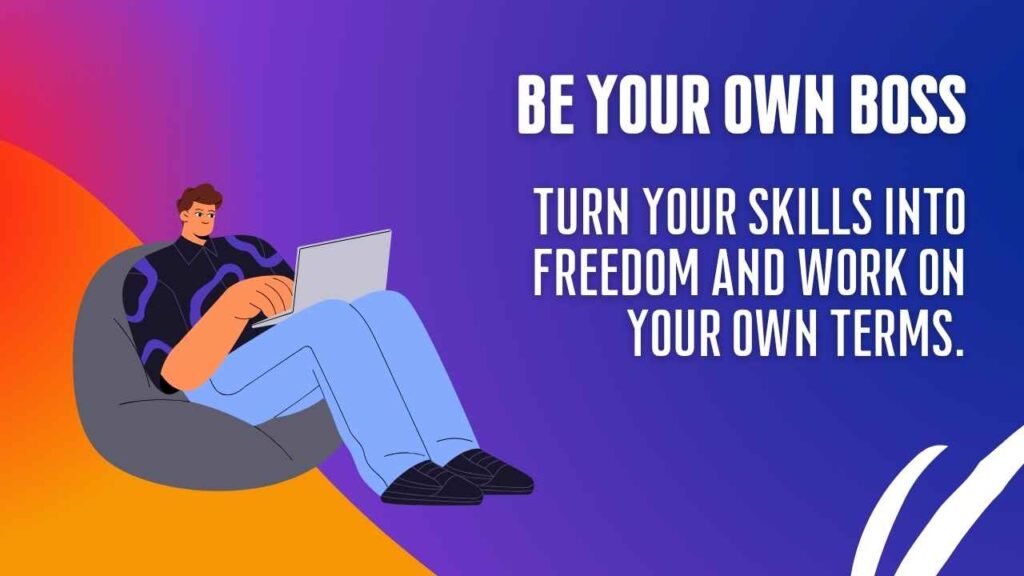
Now imagine being your own boss—choosing the clients you require to work with, choosing how much to charge, and working from anywhere. That’s outsourcing in its purest form.
A freelancer offers services freely, frequently to multiple clients at once. You might be an author making blog posts for distinctive companies, a creator building logos for new businesses, or a virtual assistant overseeing online assignments. The excellence of freelancing is that you control your destiny. You choose what ventures to take, what hours to work, and how much to earn.
However, with this flexibility comes awesome duty. There are no settled pay rates or paid leaves—you earn what you work for. As a result, freelancing can be both exciting and frightening, particularly for beginners finding their way to begin with clients.
What is a Remote Job?
Presently, let’s move to remote jobs—the modern cousin of conventional work. In a remote, you’re still working for a company, but you’re doing it from a domestic, a café, or wherever you feel most productive.
The contrast? You’re not self-employed—you’re a portion of a group. You get a monthly paycheck, appreciate company benefits, and frequently take time after settled working hours. For numerous beginners, remote work feels like a smoother move from conventional office life into the advanced workspace.
Think of it this way: freelancing gives you added control, whereas remote jobs provide you with added up to soundness. Both offer adaptability, but in distinctive ways.
The True Freedom of Freelancing Explained
So, let’s be honest—there’s something incomprehensibly alluring about outsourcing. The opportunity to wake up late, skip the commute, and plan your claim arrangement feels cinematic. Each venture feels like a new enterprise, each client a new opportunity.
For beginners, freelancing offers a sense of possession that few other careers can coordinate. You’re not just another employee—you’re the CEO of your own mini-business. You can choose ventures that inspire you, dismiss those that don’t, and indeed set your hourly rates.
Transitioning from settled work to outsourcing feels like wandering out of a cage into the open sky. But that opportunity also suggests you must learn to supervise your time, handle clients professionally, and publicize your capacities effectively.Otherwise, the dream can rapidly turn into a hustle.
Freelancing vs Remote Jobs: Why Remote Work Feels Safer
Whereas freelancing might feel like a roller coaster of energy, remote jobs bring peace of mind. You know precisely how much you’ll earn at the conclusion of the month. There’s no requirement to chase clients, send unending recommendations, or stress about conflicting payments.
For beginners, this solidness can be a favor. It permits you to focus on learning, developing, and moving forward with your aptitudes without the financial uncertainty that frequently comes with freelancing. You also get to own company assets, mentorship, and organized goals—all of which offer assistance to construct a solid, proficient foundation.
In brief, freelancing gives you flexibility, but remote jobs allow you security. And some of the time, particularly when you’re beginning out, security can be more profitable than flexibility.
Freelancing vs Remote Jobs: How To Transition Smoothly
What if you didn’t have to select? Numerous experts nowadays are doing both. They begin with a remote job to construct encounters and financial stability, and then gradually move into freelancing once they’ve created certainty and a client base.
This move can be smooth if done deliberately. Moreover, you can work a remote job during the day and take on little freelancing ventures at night. Over time, as your outsourcing wage increases, you can select whether to go totally independent. This cross-breed show offers the best of both universes, the soundness of remote work and the flexibility of outsourcing.
Freelancing vs Remote Jobs: Who Earns More
Cash frequently drives career choices, and this question is an enormous one: who earns more—freelancers or remote employees?
In the beginning, remote jobs ordinarily pay more reliably. You have a relentless compensation and possibly indeed benefits like rewards or paid vacations. Freelancers, on the other hand, may earn less to begin with since building a client base takes time.
In any case, once a consultant picks up experience, the potential can skyrocket. Skilled specialists regularly charge premium rates, sometimes winning twofold or triple what an inexperienced specialist makes. The key distinction? Freelancing pay depends on your capacity to sell your services and manage your time effectively.
So, whereas a remote job ensures consistent pay, freelancing rewards aspiration and imagination. Over time, it can become a goldmine for those who play it savvy.
The Best Path for a Beginner’s Growth
Remote jobs regularly give organized preparation and mentorship. You’ll learn cooperation, communication, and discipline—skills that each beginner needs. In fact, freelancing tosses you straight into the profound conclusion. A remote job offers controlled conditions and lifeguards. Freelancing challenges you with waves—but once you learn to swim in them, you end up unstoppable.
If you’re a beginner who flourishes under direction, remote work culminates. But if you’re autonomous and energetic to develop quickly, freelancing can quicken your individual and professional advancement like nothing else.
Finding Balance in Your Daily Routine Life
One of the most talked-about benefits of both outsourcing and inaccessible occupations is work-life balance. But the reality is, it depends totally on how you manage it. Extreme flexibility is valued by freelancers, who can work late into the night or take breaks whenever necessary.
Be that as it may, without discipline, this opportunity can rapidly turn into burnout. Remote employment, in the meantime, offers settled working hours, allowing you to clearly separate work from personal life. As you choose up association, you’ll realize that altering isn’t almost working less—it’s about working keenly. Both freelancing and remote occupations can offer alternatives if you learn how to set boundaries and prioritize your time.
The Power of Freelancing Independence
One of the most electrifying angles of freelancing is the feeling of autonomy it gives you. You control your fate—no one else chooses your worth, your plan, or your victory. Each extent you total builds your portfolio and boosts your confidence.
Freelancing doesn’t just instruct proficient skills—it educates life abilities. You learn transaction, communication, and self-discipline. You learn to believe in yourself. For numerous beginners, this change is worth more than any paycheck.
The Power of Teamwork: Remote Jobs Build Community
On the other hand, remote jobs offer something freelancing once in a while—a sense of having a place. You’re part of a bunch working toward shared destinations. You have colleagues to collaborate with, guides to coordinate you, and pioneers to spur you.
This collaboration can be comforting, particularly for beginners who pine for association and support. Makes a distinction if you create not as a master but as a communicator and collaborator. So, though outsourcing makes you a single wolf, inaccessible occupations offer help and become part of a pack—a group that pushes you forward.
Freelancing vs Remote Jobs: Stability vs Responsibility
Freelancers must oversee everything—from sending solicitations to paying charges. It can feel overpowering to begin with, but it instructs you on your duty. You learn to esteem each dollar you gain since you worked hard to get it.
Remote laborers, in any case, appreciate financial stability. Charges are regularly taken care of by the manager, and budgeting gets simpler when your pay doesn’t fluctuate.
If you’re not, however, sure in dealing with funds, remote work might be a smoother passage point, or if you’re recently jumping into freelancing.
Freelancing vs Remote Jobs: Which is Better for Beginners
Let’s tie it all together. For beginners, remote work is regularly the least demanding option. It gives structure, steadiness, and relentless learning opportunities. You can choose up certainty, save cash, and build experience—all while working comfortably from domestic. In any case, if you’re a self-starter who venerates challenges and pines for adaptability, freelancing can be incredibly satisfying.
It allows you to make your claim brand, select your clients, and control your pay potential. Eventually, the choice depends on your character and destinations. If you lean toward security, select remote work. If you flourish on autonomy, go for freelancing. And remember—you can continuously move from one to the other once you’re prepared.
Conclusion
The world of online work is tremendous, energizing, and full of opportunity. Whether you select freelancing or remote jobs, you’re currently ahead of the conventional workforce by grasping adaptability and freedom.
While remote work gives you a runway to take off, freelancing gives you wings to fly. If you remain grounded, continue to learn, and never give up on developing your profession, both can lead to success.
So, don’t inquire which one is better—ask which one suits you the most right presently. The excellence of the digital era is that you can shape your own way, and whichever you select, the conceivable outcomes are boundless.