How to Make Money with Canva (No Design Skills Required)
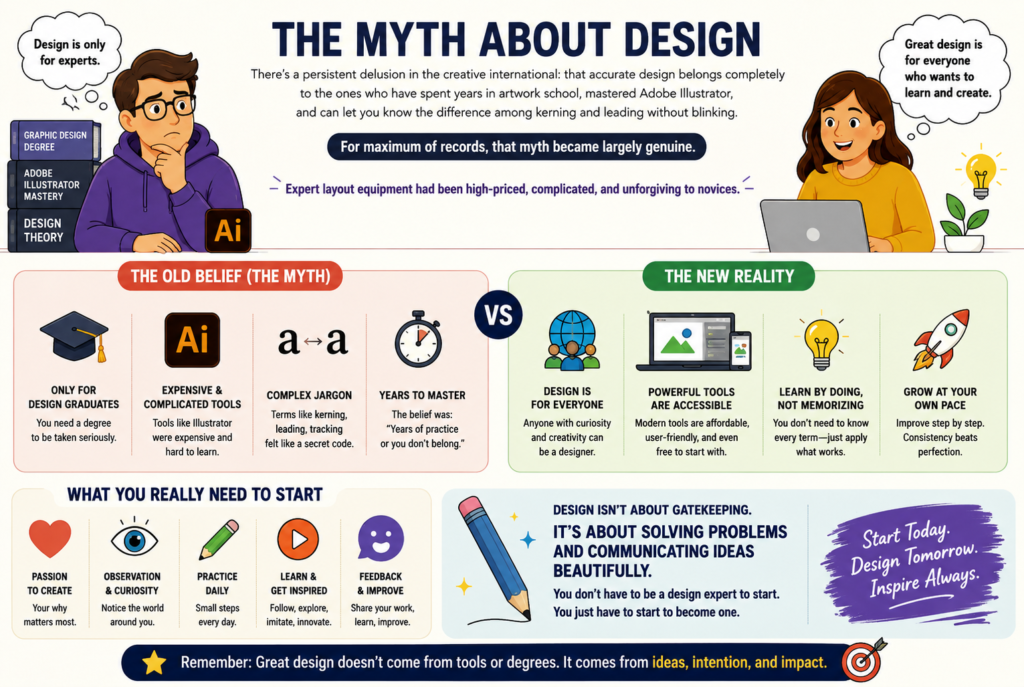
There’s a persistent delusion in the creative international: that accurate design belongs completely to the ones who have spent years in art school, mastered Adobe Illustrator, and can tell you the difference between kerning and leading without blinking. For the maximum number of records, that myth became largely genuine. Expert layout equipment had been high-priced, complicated, and unforgiving to novices.
Then Canva arrived — and quietly changed the whole lot.
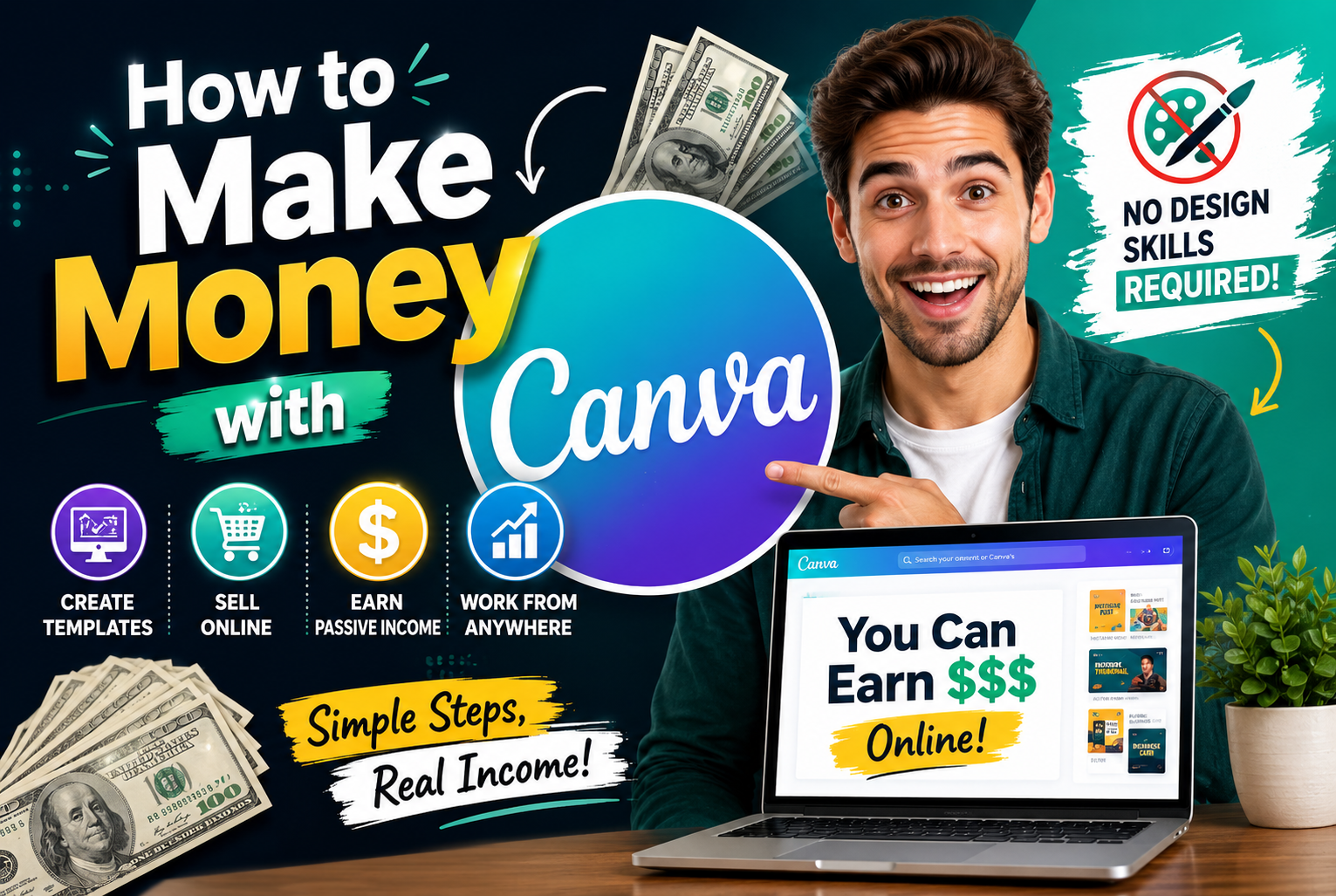
Since its release, Canva has become a wonderful equalizer of the layout world. It’s drag-and-drop, template-wealthy, and intentionally built for individuals who don’t think of themselves as designers. However, right here’s the component that often goes unnoticed: it’s also an extremely profitable platform for humans willing to take the time to research it well. Freelancers, side hustlers, small enterprise owners, and stay-at-home creatives are making actual cash with it — from a few hundred bucks a month to full-time incomes.
if you’ve been napping on Canva as a money-making device, this article is your warning call.
Why Canva Works for Non-Designers
Canva’s genius lies in what it removes: the learning curve. Traditional design software programs demand that you recognize layers, color profiles, vector paths, and export settings before you can produce anything worth showing a client. Canva collapses that gap.
Its library of professionally designed templates — masking social media posts, presentations, logos, resumes, ebook covers, menus, flyers, and extra — way you’re by no means starting from a clean web page except you want to. You pick out a template, swap out colors and fonts to suit a logo, drop in images or icons, and you have something that looks polished and expert.
That is the muse of a Canva-based earnings: you’re no longer being paid to understand design theory. You are being paid to save clients’ time. Most small commercial enterprise owners do not have hours to parent out a way to make an Instagram carousel appear true. You do — and that has a price.
Actual methods to make money using Canva
Social Media content introduction
This is the maximum accessible factor for novices. businesses of each length — eating places, boutiques, coaches, and real property retailers. Health running shoes — want a consistent flow of social media pics. They want quote posts, promotional banners, tale templates, and event announcements. Most of them neither have the time nor the talent to create those always.
Your activity is to supply a set of branded, on-schedule photographs each month. Packages usually run from $two hundred to $800/month, depending on volume and complexity. Start with one or two customers, construct a portfolio, and scale from there. Many Canva-based social media managers work with five to ten clients simultaneously, earning a relaxed ordinary profit.
Promoting Canva Templates
This is where Canva transforms from a freelancing tool into a passive income gadget. Canva allows you to create and sell shareable templates — documents that consumers can customize within Canva using their personal free or pro account.
Platforms like Etsy, Creative Market, and Gumroad are full of Canva template stores doing awesome numbers. famous sellers consist of:
- Instagram puts up and takes bundles
- Pinterest pin templates
- Media kit templates for influencers
- Resume and cover letter packs
- Lead magnet and ebook layouts
- wedding ceremony invitation suites
- enterprise idea decks
A nicely-designed template % priced at $15–$35 can sell hundreds of instances without a extra attempt from you. as soon as it is indexed, it sells at the same time as you sleep. The secret is to research what people are actively trying to find, design templates that solve a real want, and present them with appealing mockup pictures.
Canva for Print-on-demand
Canva integrates directly with print-on-call for structures like Printify and Printful. Because of this, you could lay out merchandise — T-shirts, mugs, tote bags, notebooks, phone cases — and sell them without keeping any stock. You acquire the margin.
This version requires some upfront effort in putting in place a shop (Etsy and Shopify are popular selections), however, the ongoing maintenance is minimal as soon as you’ve got a catalog of designs. Niched designs — for teachers, nurses, canine fanatics, hikers, or particular fandoms — tend to outperform common ones drastically.
Presentation and Pitch Deck design
experts and marketers often want polished displays for traders, customers, or meetings — and they’re frequently willing to pay nicely for them. A clean, properly-based pitch deck built in Canva can command anywhere from $a hundred and fifty to $600 relying on the scope.
This area of interest rewards those who can combine fundamental layout sensibility with storytelling instincts. In case you apprehend the way to structure a story and make statistics appear digestible, you will have no shortage of clients here.
Neighborhood business advertising and marketing materials
Flyers, menus, commercial enterprise cards, event posters, and promotional materials are in regular demand from nearby businesses. A restaurant launching a brand new seasonal menu, a gym running a January promotion, or a salon advertising and marketing a new provider all need print-ready designs quickly. Many nearby organizations do not even know Canva exists — they simply recognise they want something designed by way of the next day. stroll in with samples and an inexpensive charge, and you may be surprised how quickly you can build a constant local clientele.
Constructing Your basis: What You really need
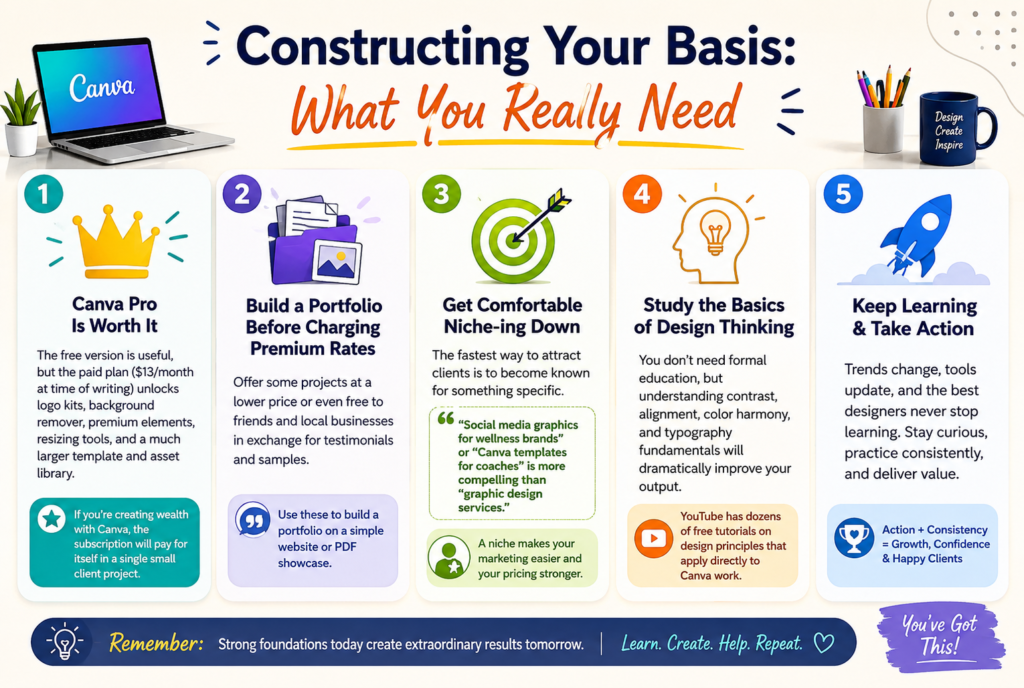
Canva Pro is well worth it. The free model is practical, but the paid plan ($13/month at time of writing) unlocks logo kits, heritage remover, premium elements, resizing gear, and a much larger template and asset library. In case you’re creating wealth with Canva, the subscription will pay for itself within a unmarried small purchase mission.
Construct a portfolio before charging top-rate quotes. Provide some initiatives at a reduced fee or maybe free to buddies and nearby agencies in exchange for testimonials and samples. Use those to construct a portfolio on a simple website or PDF exhibit.
Get consistent with niching down. The fastest way to draw customers is to be acknowledged for something precise. “Social media snapshots for well-being manufacturers” or “Canva templates for coaches” is more compelling than “picture design offerings.” A gap makes your advertising easier, and you’re pricing more potent.
Study the basics of design thinking. You do not want formal schooling, expertise comparison, alignment, colour concord, and typography fundamentals will dramatically improve your output. YouTube has dozens of loose tutorials on layout concepts that apply immediately to Canva work.
Conclusion
Getting cash with Canva is clearly manageable for non-designers, but it is not convenient. The tool lowers the barrier to access, which additionally reaches more people who are competing in this area. What sets hit Canva entrepreneurs aside is a mixture of consistency, client verbal exchange, and a willingness to keep improving their craft.
Begin with one sale, circulate. grasp it. Then amplify. folks that spread themselves throughout freelancing, templates, and print-on-call frequently find themselves beaten and generating mediocre paintings across all 3.
Canva made the layout available. What you do with that entry remains up to you.
The layout enterprise no longer belongs exclusively to designers. It belongs to absolutely everyone inclined to show up, examine, and serve customers well — and right now, Canva is one of the best tools available that will help you do exactly that.