Introduction
Inclusivity in global education has become one of the most basic pillars of advanced learning; however, millions of students around the world still battle to gain access to fundamental educational opportunities. Understanding why inclusivity starts with recognizing how profoundly instruction shapes the future of people, families, and social orders. When quality learning is open, as it were, to a restricted group, the world loses potential trend-setters, pioneers, scholars, and makers who seem to contribute essentially to worldwide advancement. Inclusivity guarantees that each learner, regardless of their foundation, character, financial status, or physical capacity, gets the reasonable chance they merit. This approach bolsters a more grounded, more diverse learning environment that can motivate imagination and advance important ideas. Comprehensive worldwide instruction is not optional—it is the foundation for a more fair, engaged, and universally inclusive world.
Inclusivity in Global Education: Breaking Barriers
Inclusivity in global education starts with recognizing and breaking the boundaries that halt students from learning. Additionally, children from destitute communities, outcasts, learners with disabilities, and those living in remote locales regularly confront barriers that go beyond academics. Furthermore, these obstructions incorporate the need for transportation, constrained innovation, social constraints, and social disparities. When instructive frameworks recognize these challenges, they can make arrangements that eliminate or reduce those deterrents. Breaking boundaries is a long-term preparation, but each step—such as advertising budgetary back, making strides foundation, or giving open learning materials—helps narrow the worldwide education gap.
Why Inclusivity in Global Education Matters
Inclusivity in worldwide instruction matters since it specifically influences how societies develop and flourish. When instruction is advertised as if it were a parcel of the populace, it makes social and financial lopsided characteristics that can last for generations. However, comprehensive frameworks permit countries to tap into the potential of each person, resulting in more gifted laborers, imaginative scholars, and dynamic citizens. A community that contributes to comprehensive instruction builds a future where individuals can contribute genuinely regardless of their roots. The benefits spread past individual lives—they reinforce whole nations and indeed worldwide cooperation.
Equal Access Creates Equal Pathways
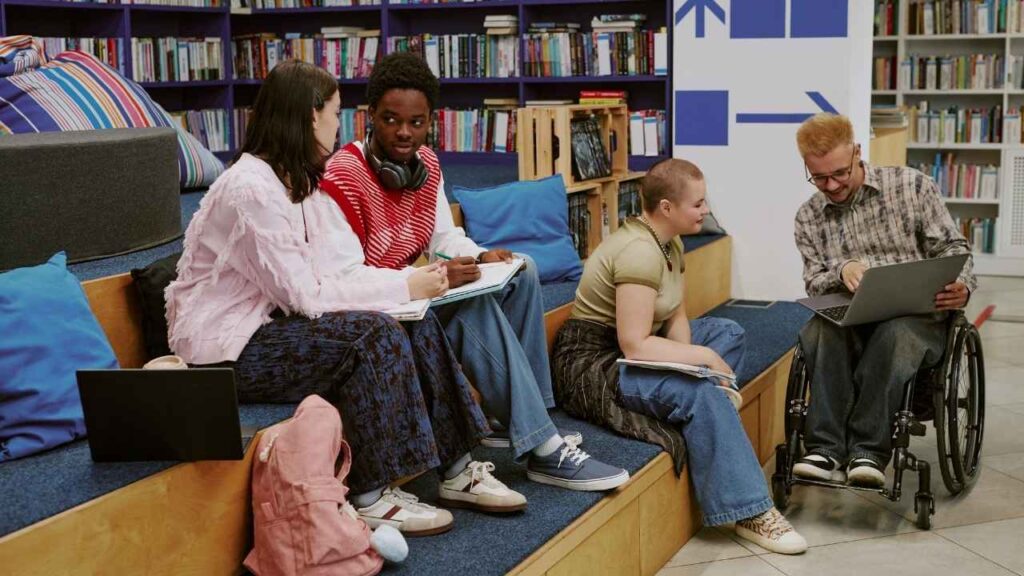
When our conversation approximately breaks even with get to, we will give each learner the instruments, support, and opportunities they require to succeed. Inclusivity in worldwide education guarantees that students are not held back by auxiliary imbalances. Children from low-income families may have the insights and drive to succeed, but need assets like books, innovation, or mentoring. A few students may confront separation based on dialect, ethnicity, or sexual orientation. Break-even will give them the opportunity to investigate their potential completely. When pathways are open to all, victory becomes a matter of capacity and effort—not privilege.
Supporting Students With Disabilities
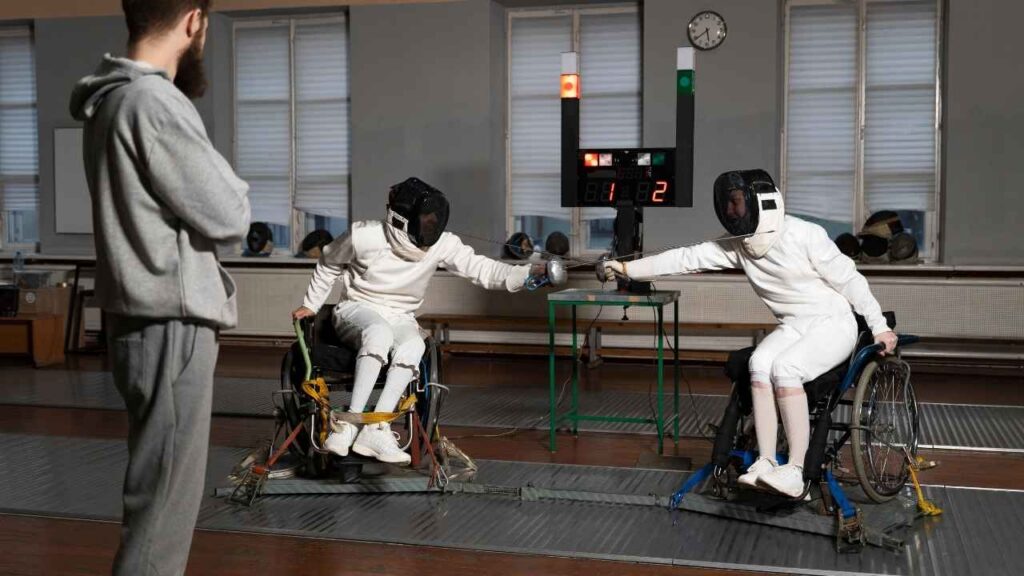
For inclusivity in worldwide instruction to be important, it must moreover prioritize students with disabilities. As well, numerous children are denied their right to education, essentially because schools are not prepared to support their needs. Comprehensive frameworks make beyond any doubt that classrooms, computerized stages, and guidelines strategies are available for students with physical, mental, or learning disabilities. This incorporates inclines, braille books, sound materials, sign language translators, and prepared instructors. Such a bolster does not, as it were, offer assistance to students to learn—it gives them respect, certainty, and the information that their capacities matter.
Gender Equality Through Inclusivity in Global Education
Women and young ladies in numerous parts of the world still confront social boundaries, security issues, and monetary challenges that constrain their educational opportunities. Inclusivity in worldwide education battles against these disparities by advancing gender-sensitive arrangements, safe school environments, and access to learning resources. When young ladies get the same openings as boys, whole communities benefit—because taught ladies tend to elevate their families, secure superior employment, and contribute to financial soundness. Comprehensive instruction guarantees that each young lady has the chance to shape her future.
Embracing Cultural Diversity
A different classroom is a capable learning space. Inclusivity in worldwide education energizes students to learn from individuals from diverse societies, religions, and ethnic backgrounds. This presentation makes a difference by helping students create compassion, regard, and worldwide mindfulness. Socially differing qualities moreover make for wealthier discussions and broader viewpoints within the classroom. When students learn to collaborate with people who think in an unexpected way, they become more versatile and open-minded, qualities vital in a multicultural world.
Technology as a Bridge To Inclusivity
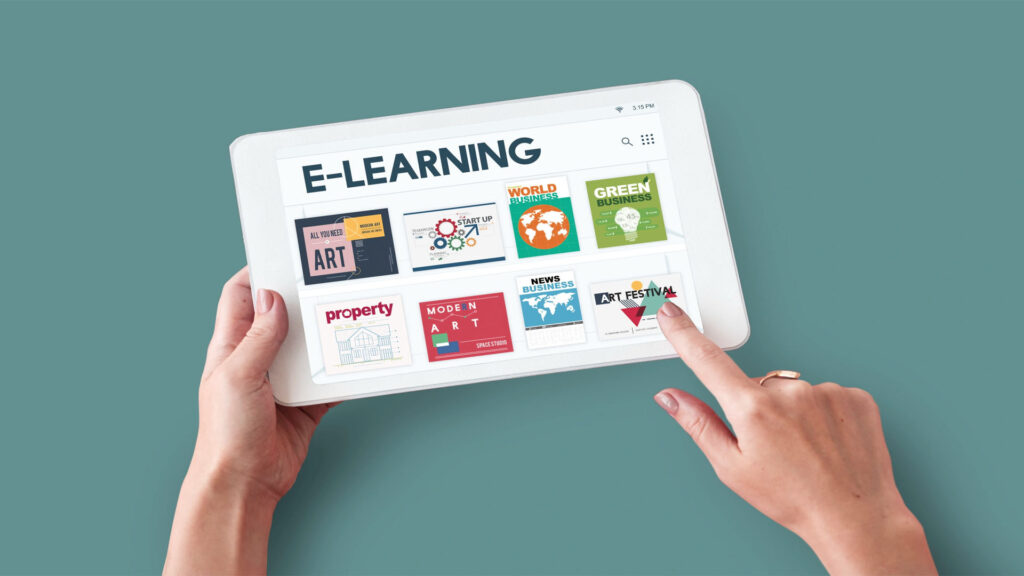
Digital instruments have become basic in diminishing educational crevices. Online learning platforms, versatile apps, and virtual classrooms offer opportunities for students who live far from conventional schools or need instructional assets. Inclusivity in worldwide instruction is fortified when innovation is utilized wisely—by advertising free online courses, advanced libraries, and language learning tools. These developments make learning more adaptable, personalized, and available to individuals in countries or conflict-affected regions.
Language Inclusivity in Education Systems
Language contrasts frequently make learning challenges, particularly for students who relocate or have multilingual social orders. Inclusivity in worldwide instruction requires educating strategies that regard and support cultural differences. This may incorporate giving bilingual programs, translated materials, or multilingual instructors. When students can learn in a dialect they get it, their execution makes strides essentially. Dialect inclusivity, moreover, makes a difference, protects social character, and guarantees that learners do not feel avoided or isolated.
Inclusivity in Global Education and Economic Equality
Education is a capable apparatus that diminishes destitution. When inclusivity in worldwide instruction is prioritized, students from low-income backgrounds have access to grants, educational materials, and community support programs. These activities permit them to break free from generational destitution cycles. When financial imbalance diminishes, social orders become more steady and profitable. Comprehensive instruction guarantees that no child loses opportunities, basically, since their family cannot afford school supplies or tuition.
Creating Inclusive Learning Environments
A really comprehensive learning environment is one where each student feels secure, regarded, and upheld. Inclusivity in worldwide instruction advances classrooms that esteem independence and empower support. Instructors make learning spaces where students can express their thoughts openly and offer assistance when required. Such situations construct passionate and scholastic certainty, spurring students to remain locked in and work harder. When learners feel acknowledged, their educational travel becomes more pleasant and meaningful.
Teachers as Champions of Inclusivity
Teachers play one of the most vital roles in making comprehensive instruction frameworks. Their states of mind, strategies, and understanding of understudy needs shape the whole learning experience. Inclusivity in worldwide instruction depends on instructors who are prepared in differences, exceptional instruction, and inventive teaching methodologies. They must recognize each student’s qualities, challenges, and learning styles. Compassionate and gifted instructors create situations where students feel esteemed and able to accomplish incredible things.
Government Policies Supporting Inclusivity
Governments must take an obligation to make educational approaches that advance value and availability. Inclusivity in worldwide education moves forward when nations contribute to school frameworks, instructor preparation, and community mindfulness programs. Approaches ought to center on expelling separation, improving public school quality, and expanding back-to-school services for marginalized groups. When governments prioritize instruction, countries become more grounded and more prosperous.
How Inclusivity in Global Education Drives Growth
Education powers financial advance, and inclusivity in worldwide education plays a major part in fortifying economies. When more individuals have access to education, nations pick up a more gifted workforce capable of contributing to businesses, development, and national advancement. Comprehensive frameworks energize enterprise, imagination, and long-term supportability. Countries that contribute to comprehensive instruction frequently involve lower crime rates, higher productivity, and improvements in living standards.
Fighting Discrimination Through Learning
One of the most prominent benefits of inclusivity in worldwide education is its effect on decreasing separation. Understudies who learn in different situations create resilience, sympathy, and regard for others. Instruction educates them to challenge generalizations and grasp contrasts. Schools that advance differing qualities offer assistance to construct social orders where individuals live calmly and support one another. Comprehensive instruction shapes the mind—it shapes character and compassion.
Social Harmony Through Inclusive Schools
Inclusive schools foster fellowships and understanding among students who might otherwise stay separated from one another. When learners are associated day by day with peers from distinctive backgrounds, they learn participation and enthusiastic insights. Inclusivity in worldwide education makes a difference in constructing tranquil social orders where people appreciate contrasts instead of dreading them. This sort of concordance reinforces communities and avoids social divisions.
Building Global Citizens
In a quickly changing world, students must learn to think past borders. Inclusivity in worldwide instruction plans enables them to align with universal societies, worldwide issues, and multicultural situations. Through comprehensive learning, students create the capacity to communicate across societies, face worldwide challenges, and take part in important collaborations. This shapes them into capable, open-minded worldwide citizens.
Lifelong Learning For Everyone
Inclusive instruction does not halt at childhood. Grown-ups, working experts, outcasts, and elderly learners also take advantage of educational opportunities. Inclusivity in worldwide education guarantees that learning remains open throughout a person’s life. Deep-rooted learning gives people modern aptitudes, career openings, and individual development. A comprehensive approach guarantees that instruction is a right, not a privilege.
International Organizations Supporting Inclusivity
Organizations like UNESCO and UNICEF advocate unequivocally for inclusivity in worldwide education. They back nations through subsidizing, approach direction, fiasco recuperation programs, and educational research. These organizations offer assistance to construct schools in underserved zones, advance uniformity, and provide learning materials to millions of students. Their work is basic to making instruction available all over the world.
Community Support For Inclusive Education
Communities play a capable part in advancing inclusivity in worldwide education. When guardians, neighborhood pioneers, and organizations support education, children are more likely to go to school and succeed. Community inclusion may incorporate advertising grants, making secure learning spaces, or empowering families to value education. A solid community bolsters comprehensive frameworks and guarantees long-term success.
The Future of Inclusivity in Global Education
The future of inclusivity in worldwide education depends on advancement, worldwide participation, and nonstop speculation. With progressions in innovation, developing mindfulness, and more grounded global organizations, the world is moving toward a more comprehensive educational future. Be that as it may, long-term commitment is fundamental. By working together, governments, teachers, organizations, and communities can make a world where each learner—regardless of circumstances—has the chance to thrive.
Conclusion
Inclusivity in worldwide instruction is more than an educational goal—it is a commitment to balance, advance, and human respect. When learning becomes open to everybody, social orders become more grounded, more serene, and more imaginative. Comprehensive frameworks break down obstructions that prevent millions from accomplishing their dreams. They advance differing qualities, enable marginalized communities, and make openings that can change whole eras. The travel toward comprehensive worldwide instruction is continuous, but each effort—whether through innovation, arrangements, community support, or awareness—brings us one step closer to a world where no learner is left behind. By grasping inclusivity, we contribute to a brighter, more attractive, and more joined together future for all.
FAQs
1. What is inclusivity in worldwide education?
It implies guaranteeing that all learners—regardless of background—have to rise to get a quality education.
2. Why is inclusive instruction important?
It diminishes disparity, advances financial development, and reinforces societies.
3. What part does innovation play in inclusivity?
Technology gives open, computerized learning instruments for remote and underserved learners.
4. How does inclusivity offer assistance to students with disabilities?
It offers open situations, learning devices, and specialized support.
5. What can governments do to advance inclusive education?
They can make approaches, support programs, and guarantee break-even with openings for all students.