Introduction
In the cutting-edge digital world, learning has changed significantly. Understudies nowadays are connected with screens, apps, and online content more than ever. With this move, conventional teaching strategies frequently drop briefly. Perusing long writings, tuning in to plain addresses, or observing basic recordings no longer engages computerized learners the way they ought to. This is where Gamification in education gets to be a capable apparatus. It breathes life into advanced learning by turning lessons into intelligent, lively, and persuasive experiences.
Gamification doesn’t supplant education—it upgrades it. It mixes learning with game-like mechanics such as focuses, levels, identifications, rewards, challenges, and narrating. These components make learners feel as if they are on a mission or maybe even completing boring assignments. The result? Higher engagement, progressed inspiration, and a more grounded desire to learn. Let’s jump into how gamification changes computerized learning, making it more engaging, viable, and memorable.
A New Age of Digital Learning
Digital learning is advancing, but keeping students engaged is still a major challenge. Without face-to-face, intelligent, or physical classrooms, numerous learners feel disengaged. Gamification bridges this gap by incorporating energy and variety into advanced lessons. It turns inactive learners into dynamic members who take charge of their learning journey.
When students lock in with game-like components, they’re more likely to remain centered, complete assignments, and return to the stage once more and once more. This move marks a modern era—a time where learning feels immersive, intelligent, and practical.
Gamification in Education For Modern Learners
Gamification in Instruction works since it taps into human brain research. We normally appreciate winning, collecting rewards, finishing objectives, and advancing through levels. These inspirations make learning feel like a fun challenge instead of a boring requirement.
Games invigorate dopamine—the “pleasure chemical” that boosts inspiration. When learners see advances, win identifications, or open unused stages, they feel compensated. This enthusiastic fulfillment keeps them coming back for more, building a propensity for persistent learning.
Challenges Make Learning Exciting
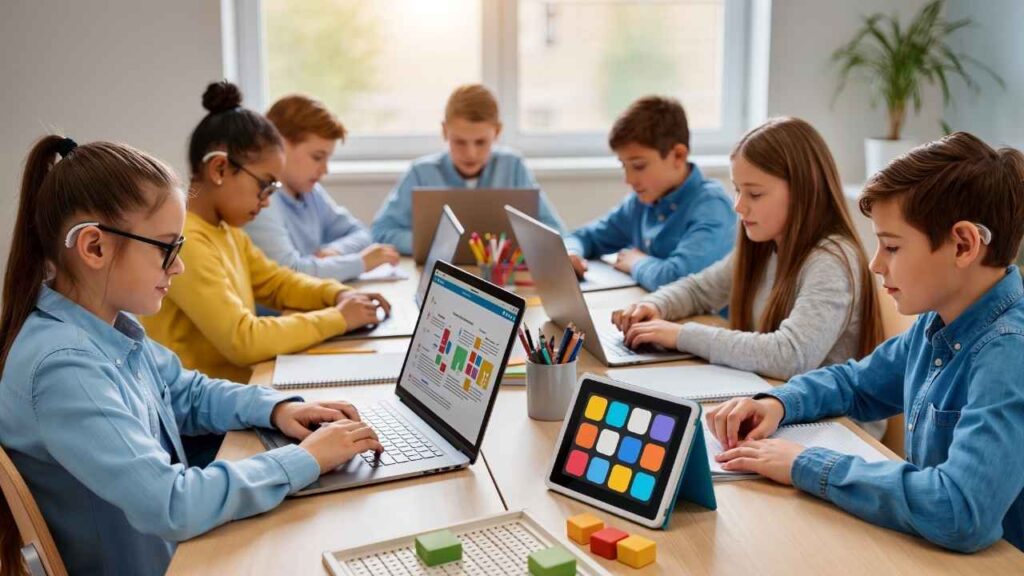
Challenges are the spine of diversions, and they play the same vital part in learning. When lessons are broken into reasonable challenges—like errands, tests, or puzzles—learners feel empowered to total them. Each challenge completed gets to be a little triumph that builds certainty and momentum.
The magnificence is in the plan: challenges are not one or the other as well simple nor as well difficult. They thrust understudies forward without overpowering them, making a difference in developing ability by skill.
Rewards Increase Motivation
Rewards act as fuel for advanced learners. Whether it’s identifications, focuses, stars, or certificates, rewards make positive reinforcement. They make learners feel acknowledged for their effort. Indeed, basic rewards can essentially boost inspiration, particularly when they highlight progress.
When students win an identification for wrapping up an intense module or keeping up a streak, they create a sense of pride. This passionate association with their accomplishment drives them to work harder and remain consistent.
Gamification in Education : Learning Levels
Levels are a fundamental component of Gamification in Instruction. They change learning into a movement of movement. Instead of confronting long, overpowering lessons, learners move through levels step by step. Each level feels like opening an unused organizer of a diversion, filled with challenges and rewards.
This approach, moreover, makes a difference for learners to track their development. They can clearly see how distant they’ve come and how much is cleared out, which makes learning feel organized and achievable.
Leaderboards Encourage Positive Competition
Human creatures normally appreciate competition. When utilized shrewdly, leaderboards can rouse computerized learners to perform way better. Seeing their title climb the positions brings energy and fulfillment. It empowers them to attempt harder—not since somebody strengthens them to, but since they truly need to improve.
Leaderboards, moreover, construct a sense of community. Understudies feel like they’re a part of something greater, sharing objectives and endeavoring together.
Storytelling Enhances Engagement
Story-based learning turns basic lessons into energizing undertakings. A math address gets to be a journey. A perusing task gets to be a mission. Stories make enthusiastic associations that help students keep in mind concepts more effectively.
When learners feel like characters in a story, they lock in more profoundly. The story pulls them forward, making the learning encounter wealthier and more enjoyable.
Gamification in Education For Personalized Learning
Every learner is diverse, and gamification permits teachers to tailor lessons based on execution. If an understudy battles with certain tasks, the framework can slow down and offer extra support. If an understudy performs well, the framework can present higher challenges.
This personalized involvement keeps learners locked in without overpowering or boring them. They learn at their own pace, building certainty with each step.
Reducing Boredom and Digital Fatigue
Digital weariness is real—staring at screens for as long as long can deplete vitality. Gamification breaks this dullness by including intuitive components such as activities, tests, recreations, and challenges. These components revive the intellect and bring back excitement.
Instead of looking through perpetual content, learners appreciate variety. This keeps them centered and anticipates burnout, indeed, amid long think about sessions.
Building Consistency and Learning Discipline
One of the greatest instructive challenges is consistency. Numerous learners begin solid but lose interest over time. Gamification tackles this by including streaks, breakthroughs, and day-by-day objectives. These highlights propel learners to keep going so they don’t break their record.
This consistency slowly gets to be a propensity. Over time, learners create reach and commitment—skills that last a lifetime.
Gamification in Education : Instant Feedback
In conventional learning, students regularly hold up days or weeks for criticism. Gamification gives momentary reactions. Whether a learner answers right or off-base, they get prompt input that makes a difference, and they get their mistakes.
Instant input boosts certainty. Understudies know precisely where they stand and how they can progress. It dispenses with perplexity and empowers consistent progress.
Gamification Builds Real-World Skills
Beyond scholastics, gamified learning creates fundamental life aptitudes such as:
- Problem-solving
- Strategic thinking
- Creativity
- Collaboration
- Time management
- Decision-making
Because learners hone these abilities through locks-in exercises, they actually create without feeling pressured.
Safe Learning With Gamification in Education
Gamification makes a learning environment where mistakes are seen as opportunities rather than disappointments. In conventional classrooms, numerous students waver to take part since they fear being off-base. But in a gamified framework, coming up short on a level or losing a challenge essentially implies attempting once more with a superior procedure. This diminishes weight and empowers learners to explore openly. When students feel secure to make mistakes, they end up more certain, open, and willing to investigate modern ideas.
Better Retention and Understanding
One of the greatest focal points of Gamification in Instruction is its capacity to improve memory and understanding. Conventional inactive learning—just perusing or listening—doesn’t continuously lead to solid maintenance. Gamification changes this by including students specifically through tests, astounds, reenactments, and intelligent tasks. These exercises offer assistance to the brain to retain data more profoundly. Gamified lessons also rehash imperative concepts through levels and stages, making it less demanding for learners to remember and ace complex points for the long term.
Gamification in Education Enables Teamwork
Digital learning can now and then feel forlorn, but gamification makes a difference in students’ engagement through group challenges, team journeys, and collaborative missions. These exercises empower communication, participation, and shared problem-solving. Working together builds vital social abilities and diminishes the sense of confinement regularly felt in online instruction. Indeed, bashful understudies take part more comfortably since intelligence happens through fun and locks in assignments. This community feeling boosts inspiration and makes the learning involvement more pleasant for everyone.
Supporting Teachers with Useful Insights
Gamification not only benefits students but also gives instructors capable tools. Gamified stages track each learner’s advance, showing what they get right and where they struggle. This information makes a difference; instructors personalize lessons and give back where it’s required. Programmed input from gamified assignments spares instructors time on evaluating. With clear execution of bits of knowledge, instructors can direct students more successfully and ensure no one is left behind.
Making Learning Enjoyable Again
Perhaps the most prominent advantage of Gamification in Instruction is that it brings fun back into learning. Numerous students feel pushed by conventional strategies, but gamification turns lessons into energizing challenges and fulfilling experiences. When learning feels pleasant, students remain inquisitive, persuaded, and engaged. Instead of considering, since they must, they take part since they need to. Over time, this makes positive propensities and empowers long-lasting learning.
Gamification in Education Shapes The Future
As innovation proceeds to advance, gamified learning will indeed become more immersive and personalized. AI, virtual reality, and increased reality are changing how students encounter lessons. Envision investigating history through VR, understanding math missions intelligently, or practicing science in a virtual lab. These devices make learning vital and significant. With AI customizing challenges and AR mixing advanced substance with real-life, future classrooms will be more engaging and versatile than ever. Understudies won’t fairly memorize information—they will involve it.
Conclusion
Gamification in Instruction is more than fair, including diversions to lessons—it is a total change of how students learn, develop, and remain engaged. By mixing amusement components like challenges, rewards, levels, narrating, and moment criticism, gamification makes instruction energetic and intuitive. It builds certainty by making a secure space for disappointment, fortifies memory through dynamic learning, cultivates collaboration, supports instructors, and makes learning enjoyable again.
As computerized learning proceeds to develop, gamification stands out as one of the most successful ways to motivate and inspire students and drive success. It turns learning into an adventure—exciting, fulfilling, and full of development. In a world molded by innovation, gamification is the key to keeping learners locked in, persuaded, and energetic to accomplish more.
FAQs
1. What does gamification in education mean?
It implies including game-like components in learning to make it more engaging and motivating.
2. How gamification enhances learner motivation?
Game components like rewards, focuses, and challenges boost dopamine and energize reliable participation.
3. Is gamification reasonable for all subjects?
Yes, it can be connected to math, science, dialect learning, and indeed skill-building.
4. Can gamified learning offer assistance to struggling students?
Absolutely. Personalized challenges and moment input make learning less demanding and less stressful.
5. Is gamification the future of advanced learning?
Yes, it is quickly becoming a central portion of advanced education due to its viability and engagement.